Where to Recycle Old Funeral Flowers in W11
Posted on 13/05/2026
Where to Recycle Old Funeral Flowers in W11: A Practical Local Guide
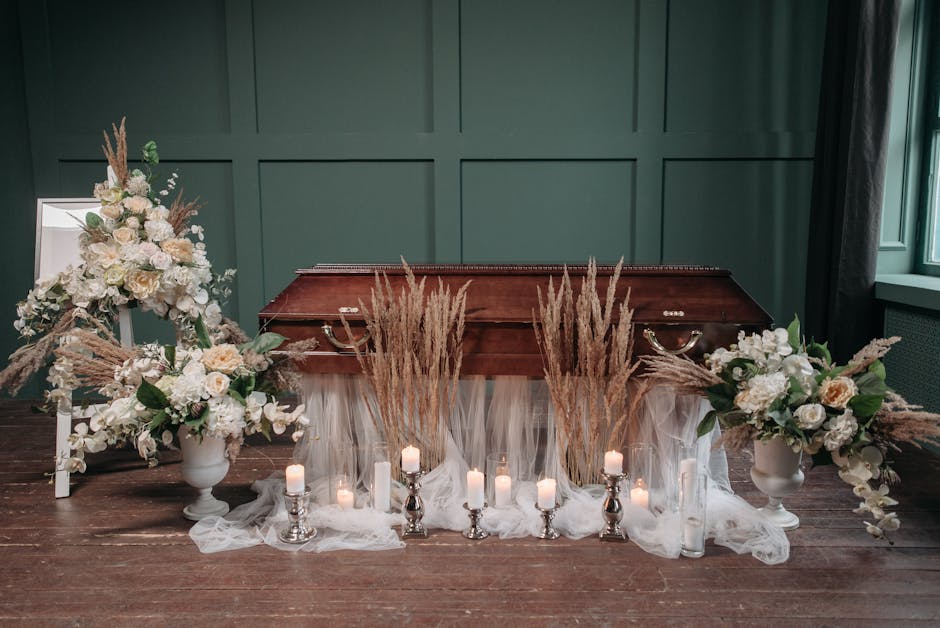
Funeral flowers carry a lot of meaning, and when the service is over, many people are left wondering what to do next. If you are looking for where to recycle old funeral flowers in W11, you are probably trying to do the right thing: keep waste to a minimum, avoid upsetting someone else's arrangements, and handle everything with a bit of care. That is a very normal question, honestly. Let's face it, nobody wants a beautiful tribute to end up in a black bag if it can be reused, composted, or passed on responsibly.
This guide walks through the best options in and around W11, what actually counts as recycling in this context, and how to make a respectful choice without overcomplicating things. You will also find practical steps, common mistakes, local-friendly ideas, and a straightforward checklist. If you need fresh arrangements for a memorial, a service, or a sympathy visit, you can also explore funeral flowers in Notting Hill, along with the broader range of flower shops in Notting Hill W10 and sustainability information to help you make a considered choice.
Table of Contents
- Why recycling old funeral flowers in W11 matters
- How recycling funeral flowers works in practice
- Key benefits and practical advantages
- Who this is for and when it makes sense
- Step-by-step guidance
- Expert tips for better results
- Common mistakes to avoid
- Tools, resources and recommendations
- Law, compliance, standards and best practice
- Options, methods and comparison table
- Case study or real-world example
- Practical checklist
- Conclusion
- Frequently asked questions
Why Where to Recycle Old Funeral Flowers in W11 Matters
There are a few reasons this topic matters more than people expect. First, funeral flowers are usually chosen with care, and that emotional value does not disappear after the ceremony. Second, W11 is a busy part of London, which means disposal and collection choices can vary depending on your building, the venue, and what the local waste services accept. Third, not every arrangement is suitable for the same end-of-life route. A tied bouquet, a wreath on florist foam, and loose stems all need slightly different handling.
For many families, the real question is not just "where do I put these?" It is "how do I treat them respectfully and responsibly?" That is a fair question. A lot of funeral flowers can still have life left in them after the service, especially if they were indoors, handled gently, and not left in the sun for too long. Even when the flowers are past their best, the materials can often be separated so that compostable parts are diverted away from general waste.
It also matters because people increasingly want lower-waste choices. If you are already thinking about sustainability, you may find it useful to look at the sustainability approach and compare it with practical flower-care advice from flower care guidance. A small amount of planning can make a noticeable difference, especially after a sensitive event where no one wants extra stress.
Expert summary: The best recycling approach for old funeral flowers in W11 is usually a mix of reuse, composting, and careful waste separation - not one single solution for every arrangement.
How Where to Recycle Old Funeral Flowers in W11 Works
In practical terms, "recycling" old funeral flowers usually means one of four things: reusing the blooms, composting the organic material, separating recyclable packaging, or taking the arrangement to a suitable local green-waste route. The best option depends on how fresh the flowers are and what they are attached to.
Here is the simple version. If the flowers are still in decent condition, they may be suitable for reuse at home, in a care setting, or in another respectful memorial space. If they are wilted but still mostly organic, they can often go into composting or garden waste, provided non-compostable items are removed first. If there is florist foam, wire, plastic tape, ribbons, or plastic sleeves, those parts need separating out. That bit is tedious, yes, but it matters.
In many W11 households, the process starts the day after the funeral or memorial. People place the arrangements in a cool room overnight, then sort them in the morning. Fresher blooms are chosen for keeping or donating; the rest are broken down into parts. If you are unsure, contact your florist or local collection service before guessing. If you need a fresh arrangement quickly for a later remembrance or condolence visit, options like same-day flower delivery or next-day flower delivery can be useful when timing is tight.
One small but important point: funeral tributes often include a mix of natural and non-natural materials. That means a wreath with moss base, carnations, chrysanthemums, and ribbon is not treated the same way as a hand-tied bouquet in paper wrap. Separate what you can. It makes the whole thing cleaner and easier downstream.
Key Benefits and Practical Advantages
Recycling old funeral flowers is not just about being tidy. There are some real advantages, and a few of them are emotional as well as environmental.
- Less waste: Organic material is diverted from general rubbish where possible.
- More respectful handling: Flowers are treated as something meaningful, not disposable clutter.
- Lower environmental impact: Composting and reuse are usually better than sending everything to landfill.
- Better value from the tribute: Some blooms can still be enjoyed in a vase or shared with relatives.
- Cleaner venue clear-up: Sorting flowers properly helps at homes, churches, crematoria, and reception venues.
- Peace of mind: You know the arrangement was handled thoughtfully, which matters after a funeral.
There is also a practical side that people often overlook. If you are dealing with several tributes at once, separating reusable stems, recyclable wrap, and compostable material makes the clear-up much faster. In a flat or shared building, that can make a very real difference, especially if storage space is limited. And if you are choosing new flowers for a later tribute, browsing local services like send flowers in Notting Hill W10 or flower delivery in Notting Hill can help you plan more thoughtfully next time.
Who This Is For and When It Makes Sense
This is for anyone handling funeral flowers after a service in W11: family members, executors, friends, venue staff, and even neighbours who were asked to help clear things away. It is also useful for anyone planning ahead, because the way flowers are chosen can affect how easy they are to recycle later.
It makes sense when the flowers are:
- past their best but not fully composted down;
- still suitable for a second, smaller display;
- part of a larger tribute that needs careful dismantling;
- coming from a service where the venue requires a quick and tidy clear-up;
- combined with packaging that can be separated and reused or recycled.
It may also make sense if you are responsible for the flowers at a community hall, church, funeral home, or family gathering. Many people in that position want simple instructions more than anything else. The good news is that you do not need a specialist kit. A pair of scissors, a clean bag, and a bit of patience are usually enough. Not glamorous, but it works.
Step-by-Step Guidance
If you want a clear process for recycling old funeral flowers in W11, use this approach. It is straightforward and works for most arrangements.
- Check the condition of the flowers. Separate stems that are still fresh from those that are bruised, mouldy, or broken.
- Remove all non-organic materials. Take out ribbon, plastic sleeves, wires, labels, tape, pins, floral foam, and any plastic picks.
- Sort by material type. Keep reusable blooms together, compostable stems together, and packaging together.
- Decide on reuse or composting. Good-quality flowers can be kept in water or shared; tired blooms can go to garden waste or compost if accepted.
- Use the right disposal route. Check what your building, local collection point, or council service accepts before putting anything out.
- Clean the area. Wipe down surfaces, vacuum petals, and remove any water spills so nothing stains or smells.
- Dispose of non-recyclables carefully. If you cannot separate an item safely, put it in the correct waste stream rather than guessing.
A useful practical trick is to work from the top down. Cut away blooms first, then stems, then the base. That stops you from wrestling with a whole tribute at once, which is never as calm as it sounds in the moment. If the flowers were delivered recently, you may have a better chance of reusing them; if so, services like local flower shops in W11 can be a handy point of reference for what materials are commonly used in arrangements.
Expert Tips for Better Results
To get the best outcome, a few small habits help a lot. None of them are complicated. Most are just the sort of things that experienced florists and venue teams do without thinking.
- Start while the flowers are still usable. Waiting too long reduces the chance of reuse and increases waste.
- Keep a separate bag for wires and plastics. It saves time and keeps the compostable material cleaner.
- Use cool water for short-term holding. If the blooms are being kept overnight, freshness drops much more slowly in a cool room.
- Ask before donating. Some places welcome flowers, but only if they are clean and suitable.
- Be realistic about florist foam. If a tribute contains foam, that section usually needs special handling and should not go into green waste.
- Think ahead if ordering a tribute. Simpler designs with fewer mixed materials are easier to sort later. That is worth remembering.
One small observation from real life: people often keep the first few blooms and let the rest go. That is completely fine. You do not have to save every petal to be respectful. Sometimes one vase on a windowsill is enough - a quiet little reminder by the kettle, seen in the morning light. That can matter more than a perfect plan.
If you need to organise future flowers with less waste in mind, choose suppliers and products carefully. A florist who is transparent about materials, handling, and delivery can make a big difference. You can also compare options through best flower delivery in Notting Hill if you are weighing convenience against presentation and sustainability.
Common Mistakes to Avoid
Most mistakes happen because people are in a hurry or trying to be respectful without knowing the practical side. Fair enough. Still, a few avoidable errors crop up a lot.
- Throwing the whole arrangement away as one item. That usually mixes compostable and non-compostable material.
- Putting florist foam into garden waste. It is not the same as natural moss or stems, and it needs separate handling.
- Leaving flowers in a warm room too long. Once the blooms deteriorate, reuse options drop quickly.
- Assuming ribbons and bows are recyclable. Some are, some are not, and many are not accepted in standard recycling.
- Forgetting about water and residue. A dripping arrangement can stain carpets, stairs, and communal hallways. Annoying, and easy to avoid.
- Using the wrong collection point. Local rules can differ between green waste, household waste, and private venue disposal.
Another mistake is overthinking the symbolism. People sometimes worry that reusing a tribute is somehow disrespectful. In most cases, if the flowers are handled carefully and with the family's agreement, reuse is a considerate choice, not a careless one. The intention matters. Still, check with close relatives if the flowers have a very personal message attached.
Tools, Resources and Recommendations
You do not need specialised equipment, but a few simple tools make the job much easier:
- secateurs or sharp scissors for clean stem cuts;
- gloves if stems are woody, thorny, or heavily handled;
- paper bags or labelled bins for sorting materials;
- twine or elastic bands for reusable stems;
- a bucket of fresh water for keeping blooms alive briefly;
- compostable liners only if your green-waste route accepts them.
For information and support, a few pages on the same website can also be useful. If you are planning how flowers arrive, delivery details explain timing and expectations; if you want reassurance about service quality, guarantees is worth checking; and if you need help with a sensitive order or specific tribute request, contact us is the sensible next step. For local business or event needs, there is also corporate accounts if you handle regular arrangements in a professional setting.
If you are trying to keep costs in check while still doing things properly, you might also review cheap flowers in Notting Hill W10. Lower cost does not automatically mean lower quality, but it does help to look carefully at materials and presentation if recycling is part of your plan.
Law, Compliance, Standards, and Best Practice
For most households in W11, there is no special legal process for recycling funeral flowers. The main practical point is to follow normal waste and recycling guidance from your local authority, building manager, or venue. If you are disposing of flowers as part of a funeral venue or business, your obligations may be more specific, so it is wise to check local commercial waste arrangements.
The safest best-practice approach is simple:
- keep organic material separate where possible;
- do not contaminate recycling bins with ribbons, foam, or plastic sleeves;
- use designated green-waste or compost routes if they are available;
- ask before placing flowers in communal waste spaces;
- respect privacy and cultural preferences when dealing with memorial tributes.
It is also worth remembering that some funeral tributes include symbolic items, printed cards, or religious elements. These may need to be retained by the family rather than recycled at all. If you are unsure, pause and ask. That is usually the right move. Better a short delay than a thoughtless decision.
For online orders and customer expectations around purchases and returns, supporting pages like returns and refunds, payment, and terms and conditions can help set expectations before flowers even arrive. That is not directly recycling, but it does matter when you are planning responsibly from the start.
Options, Methods, or Comparison Table
Different arrangements need different routes. Here is a simple comparison to help you choose the right one.
| Method | Best for | What to watch for | Practical notes |
|---|---|---|---|
| Reuse at home or with relatives | Fresh blooms, hand-tied bouquets, compact sprays | Short lifespan if left too warm or dry | Trim stems, refresh water, and move quickly |
| Composting or green waste | Wilted stems, petals, leaves, natural foliage | Remove foam, wires, plastic and labels first | Works best when the arrangement is mostly organic |
| Venue collection or general disposal | Damaged arrangements, mixed-material tributes | Can be less sustainable if everything is mixed | Useful when time is limited or sorting is not possible |
| Donation or gifting | Beautiful, clean flowers still in good condition | Not every recipient can accept memorial flowers | Always ask first, especially in care settings |
If you are ordering new arrangements with easy aftercare in mind, products that are simpler to handle can help, such as baskets and posies, sprays, or dedicated funeral arrangements. The simpler the construction, the easier the later recycling stage tends to be. Usually.
Case Study or Real-World Example
Here is a realistic example from a typical W11 situation. A family brings funeral flowers back from a service on a damp afternoon. The tribute includes a wreath, two hand-tied bouquets, ribbon, a card, and a plastic water wrap around the stems. By the next morning, some roses are still excellent, the lilies are just starting to open, and the chrysanthemums are holding well. The foam-backed wreath, though, is already tired and should not be treated as if it were all compostable.
So they split the job into three parts. First, they remove the card and keep it aside. Second, they cut the freshest stems into a vase and place them in a cooler room. Third, they separate the ribbon, wrap, and foam from the rest. The flowers that are past their best go to the right waste stream, and the reusable blooms are shared between two households. Simple, careful, and not at all dramatic. That is usually how it goes in real life.
A small extra detail: one relative decides to keep a single white rose on a side table beside a framed photo. It sounds tiny, but these small gestures often matter more than a whole armful of petals. That sort of thing stays with people.
Practical Checklist
Use this checklist when you are sorting old funeral flowers in W11.
- Have I checked whether any flowers are still fresh enough to reuse?
- Have I removed ribbon, tape, labels, wire, pins, and plastic wrap?
- Have I separated florist foam or any non-compostable base materials?
- Do I know which parts can go to green waste or compost?
- Have I kept any meaningful cards or keepsakes aside?
- Have I asked family members before donating or redistributing flowers?
- Have I checked the venue or building waste rules?
- Have I wiped away water and cleared petals from the floor?
- Do I need fresh flowers for a later visit or memorial?
- Would it help to speak to a local florist before placing a new order?
If you tick most of those boxes, you are already doing a good job. It does not have to be perfect to be respectful.
Conclusion
Finding where to recycle old funeral flowers in W11 is really about making a calm, thoughtful decision with the materials you have in front of you. In most cases, the best answer is a combination of reuse, composting, and careful separation of non-organic parts. If you approach it gently and practically, you will usually end up with far less waste and a better feeling about the process.
The most important thing is to treat the flowers as part of the tribute, not just leftovers. Sometimes that means reusing a few blooms in a vase. Sometimes it means composting stems and recycling packaging properly. And sometimes it means asking for help because the arrangement is larger or more complex than expected. That is fine. Really.
Get a free quote today and see how much you can save.
And if you are planning ahead for a future memorial, condolence visit, or family occasion, choosing a local florist with clear delivery and care information can make life easier in the moments that count.
There is something quietly healing about doing things properly, even the small things. One careful gesture at a time.
Frequently Asked Questions
Can funeral flowers be recycled in W11?
Yes, many funeral flowers can be recycled in the broad sense of reuse, composting, or separating materials for the correct waste stream. The exact route depends on the condition of the flowers and whether the arrangement includes foam, wire, or plastic parts.
What is the best thing to do with old funeral flowers?
If they are still fresh, reuse them in a vase or share them with close family. If they are past their best, separate the organic material from packaging and send compostable parts to green waste where accepted. The best option is usually the simplest one that still feels respectful.
Can I put funeral flowers in my garden waste bin?
Usually, yes for the organic parts such as stems, leaves, and petals, but only if your local waste service accepts them. Remove florist foam, plastic wrap, ribbon, tape, and any metal or wire first. If in doubt, check local guidance before putting them out.
Are wreaths harder to recycle than bouquets?
Often, yes. Wreaths can contain more mixed materials, such as foam bases, moss, wire frames, and ribbons. Bouquets are usually easier because they are more likely to be mostly stems and wrap. Still, either can be sorted if you take your time.
Can old funeral flowers be donated?
Sometimes, yes. If the flowers are still in good condition and clean, they may be suitable for a relative, neighbour, or a place that accepts flowers. Always ask first, especially for care homes or shared spaces, because not every setting can take memorial flowers.
What should I do with florist foam from a funeral tribute?
Florist foam should not usually go into compost or green waste. It needs separate disposal according to local waste guidance. If you can remove it from the arrangement, do that carefully before disposing of the rest of the flowers.
How long do funeral flowers usually last after the service?
That depends on the flowers, the weather, and how they were stored. Some blooms can still look good for a few days, while others decline quickly. Keeping them cool, shaded, and in fresh water can help, but timing matters a lot.
Is it disrespectful to recycle funeral flowers?
No, not if it is done thoughtfully. In many cases, recycling or reusing flowers is a respectful way to honour the tribute and reduce waste. The key is to check with close family if the flowers have a strong personal meaning.
Can I compost roses, lilies, carnations, or chrysanthemums?
Yes, the flower heads and stems are generally compostable when they are free from non-organic materials. Roses, lilies, carnations, chrysanthemums, alstroemeria, and similar blooms can usually go into compost or green waste if they are not contaminated by ribbon, foam, or plastic.
What if the flowers have sentimental cards or keepsakes attached?
Remove and keep those items before any recycling or disposal. Cards, notes, and memorial keepsakes should be treated separately, because they are often the part families most want to preserve.
Should I contact a florist before disposing of funeral flowers?
If the arrangement is large, unusual, or very mixed-material, yes, that can help. A florist may tell you which parts are reusable, which are compostable, and which should go to general waste. For local support, it can also help to browse about us or contact us if you need practical advice.
What is the most eco-friendly way to handle old funeral flowers in W11?
The most eco-friendly route is usually to reuse the best blooms, compost the organic parts, and avoid contaminating recycling with plastic or foam. Choosing simpler arrangements in the first place also helps, especially if you want easier sorting later.